
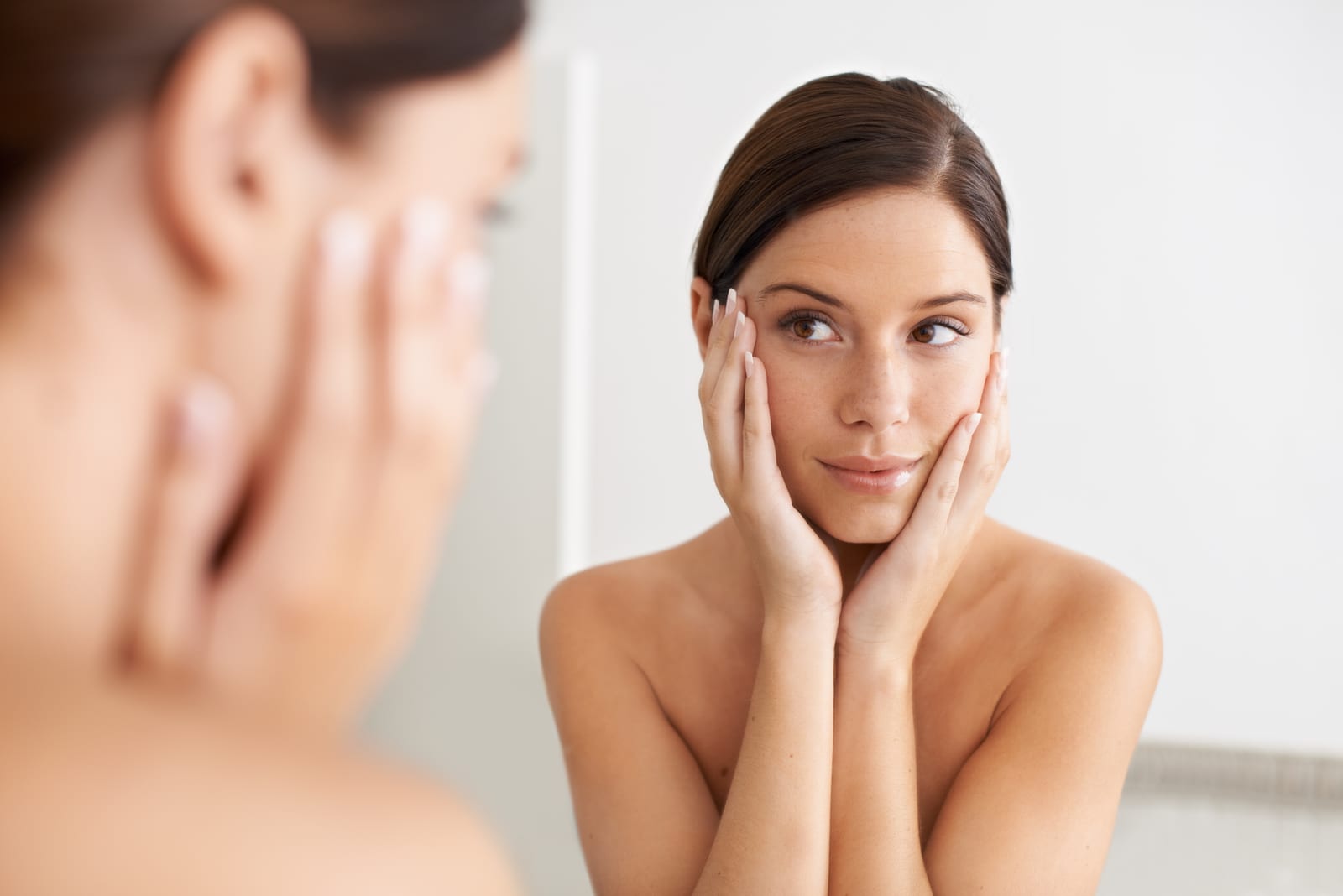
Sun Damage, Melasma & Rosacea
Solar lentigines, melasma, and rosacea managed through clinical peels, IPL, and pico-pigment protocols titrated to your skin type.
- Surgeon-Led
Every protocol reviewed through a fellowship-trained facial plastic surgeon's anatomical lens.
- Full Modality Array
Radiofrequency, ultrasound, IPL, picosecond, pulsed-dye, and a complete injectable menu in-house.
- Hospitality-Led
Founded in 2022 around a comfort-first, homey clinic standard — quiet luxury without corporate distance.
- Bellevue Crossroads
15600 NE 8th St, Suite A-8 — minutes from Mercer Island, Kirkland, and Redmond.
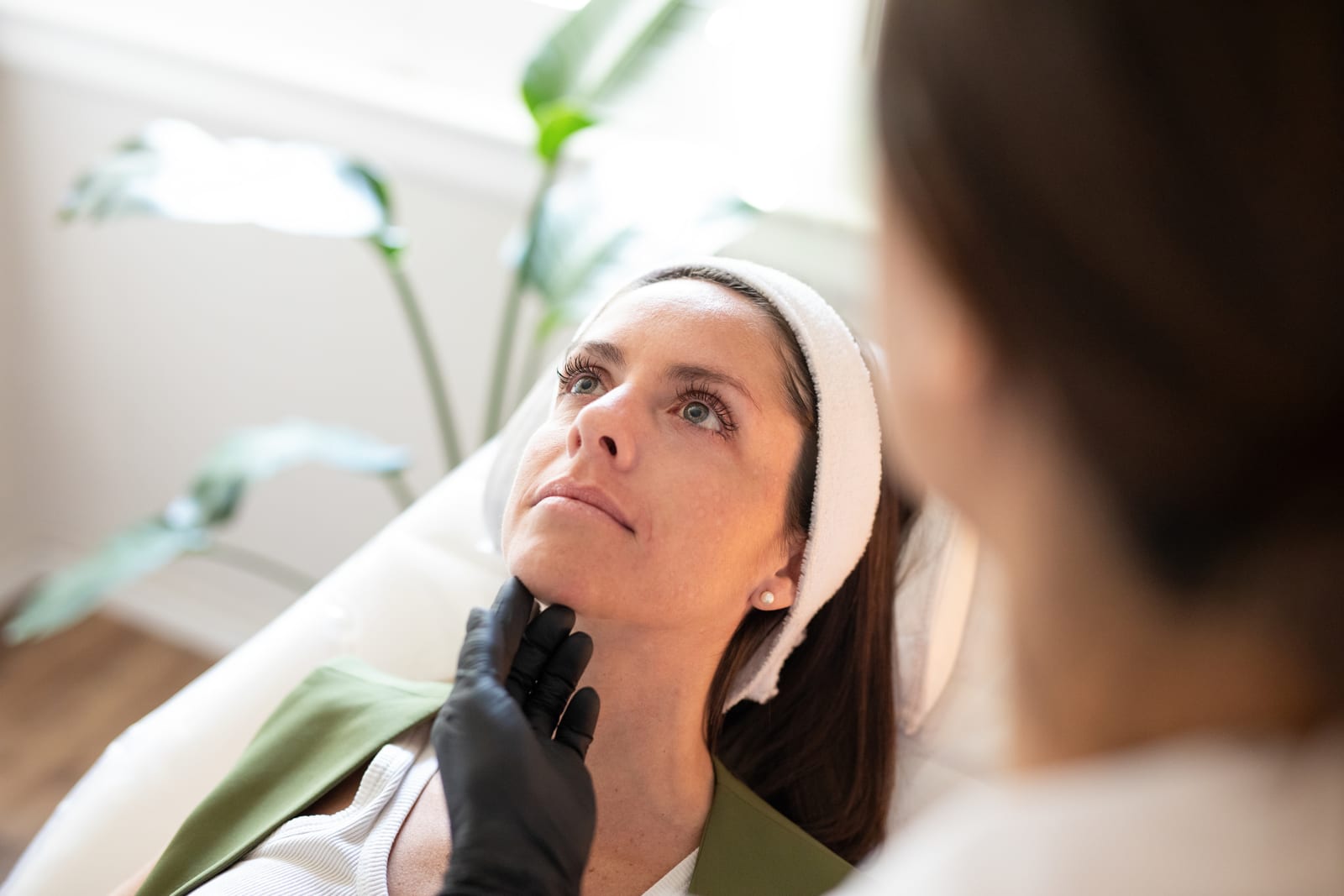
Three Conditions That Look Alike at First Glance
Patients often arrive with a single complaint — "my skin looks tired and uneven" — and unpack into three different stories at consultation. The protocol map separates them honestly before any device is selected.
Sun Aesthetic Clinic is a surgeon-led medical spa in Bellevue’s Crossroads district, and the diffuse-pigment-and-redness conversation is one of the most frequent reasons patients walk in — and one of the most frequently mishandled elsewhere. Sun damage, melasma, and rosacea share a surface presentation of mottled tone, uneven pigment, and vascular flush, but they are three distinct conditions with three distinct protocol paths. The right device for the right skin type at the right depth is the entire game. That selection here is a fellowship-trained read, not a preset. Sun Aesthetic Clinic is a Candela laser key opinion leader — the practice other providers look to on these platforms — handling the most complex pigment cases with best-in-class results.
Three Conditions That Look Alike at First Glance
Patients often arrive with a single complaint — “my skin looks tired and uneven” — and unpack into three different stories at consultation. The protocol map separates them honestly before any device is selected.
Sun damage, age spots, and freckles (lentigines and ephelides). The accumulated photo-aging pattern: small, scattered brown spots, discrete lentigines on the cheeks and hands, diffuse background mottling, and the textural roughness that comes with years of UV exposure. The pigment lives mostly at the epidermal level and responds well to light-based protocols when skin type allows. This is the most common, most tractable, and highest-yield concern in the group.
Melasma. A chronic, recurrent, hormone-influenced condition that produces symmetric patches of pigment on the cheeks, forehead, upper lip, and jawline. Often triggered or worsened by pregnancy, oral contraceptives, hormonal shifts, and — critically — by heat and light. Melasma is not cured by any aesthetic protocol on the market. The clinical goal is sustained control: clearing the visible pigment, then maintaining the result over time with sun discipline, topical management, and conservative device selection. Aggressive light-based work can flare melasma. This is the concern in the group that demands the most patience and the most honest framing.
Rosacea. A vascular condition that presents as diffuse facial redness, easy flushing, broken capillaries, and — in higher-acuity cases — a papulopustular component (bumps). Like melasma, rosacea is managed, not cured. Aesthetic protocols can substantially reduce the vascular and erythema component across a series; the inflammatory and trigger-management component is a parallel medical conversation.
The shared problem across all three is protocol matching. The wrong device on the wrong skin type at the wrong depth makes any of these worse — sometimes durably. The right device, parameter-matched to the concern and the Fitzpatrick read, makes the difference.
The Protocols We Actually Use
The energy-based, peel-based, and regenerative menu at the clinic covers the three conditions through complementary devices. Most plans layer two or three across a yearlong protocol rather than betting on one.
PicoWay Laser in Bellevue — picosecond-domain pigment laser. First-line for darker skin types (Fitzpatrick IV–VI), stubborn isolated pigment that hasn’t responded to IPL, and the melasma audience where light-based protocols are appropriate at all. The picosecond pulse profile fragments pigment without the surrounding thermal load that drives post-inflammatory hyperpigmentation on darker skin, which is why PicoWay — not IPL — is the safer starting point across the full Fitzpatrick range.
Nordlys IPL Photofacial in Bellevue — Selective Waveband Technology, broadband light filtered per concern. Best fit for diffuse pigment and superficial vascular noise in lighter skin types (Fitzpatrick I–III) — the classic photo-aging audience with mottled background, sun spots, freckles, and mild rosacea flush across the cheeks. IPL is highly efficient when skin type allows; it may not be the right tool for Fitz IV–VI, and we route off the platform honestly when the parameter math doesn’t hold.
Vbeam Pro Laser in Bellevue — pulsed-dye laser. The deeper-vascular and rosacea-redness protocol of the menu: larger facial vessels, persistent erythema, the higher-acuity rosacea audience that IPL only partly addresses, and select pigmented vascular lesions. The pulsed-dye wavelength is selectively absorbed by hemoglobin, which is why this is the rosacea-and-vasculature workhorse on the branch.
Chemical Peels in Bellevue — surface-pigment and texture work through controlled exfoliation. Often the first-line modality for melasma maintenance alongside topicals, and a frequent layering partner for the photo-aging audience between IPL sessions. Peel depth and acid selection are matched to skin type — a clinical priority on the melasma and Fitz IV–VI side of the menu.
Clinical facial in Bellevue — Hydrafacial and Glacé facial — the baseline skin-prep and maintenance protocols that most pigment patients run alongside their series. Not primary pigment devices; a baseline that keeps the skin in good condition between the energy-based and peel sessions.
PRP in Bellevue — regenerative pairing using the patient’s own platelet-rich plasma to support skin quality, tone, and post-inflammatory recovery. Often layered with light-based or peel protocols on the photo-aging and melasma audience as a regenerative support layer rather than a primary pigment treatment.
What to Expect — Typical Series and the Maintenance Reality
A pigment-and-redness protocol at the clinic is almost always a series, not a single session. The honest cadence:
- Sun damage and photo-aging audience — typically 3 to 5 sessions spaced 4 to 6 weeks apart, with the back half of the series consolidating the result. An annual maintenance session is a normal part of the long-term protocol for sun-prone skin in the Pacific Northwest summer-and-Cascades climate.
- Melasma audience — typically a longer arc. Initial clearing over 3 to 6 conservative sessions layered with topical management and sun discipline, then ongoing maintenance. Because melasma is chronic and recurrent, the protocol is built around sustained control, not a finish line. Patients should expect to maintain the result with quarterly or seasonal touch-ups, daily sun protection, and topical co-management for the foreseeable future.
- Rosacea audience — typically 3 to 6 Vbeam Pro or IPL sessions (modality matched to acuity and skin type) spaced 4 to 6 weeks apart, with the diffuse redness clearing across the series. Ongoing maintenance sessions every 6 to 12 months are typical because rosacea is a managed condition, not a curable one. Trigger management (heat, alcohol, spice, stress, UV) runs in parallel.
Result integration is measured in weeks, not days. Pigmented lesions on light-based protocols typically darken within hours of the session and flake off over the following 5 to 10 days — the desired clinical response, not a complication. Vascular structures clear and fade over days to weeks. Peel results consolidate over 2 to 4 weeks. Patience across the series is part of the plan.
SPF daily, year-round, is non-negotiable across all three protocols. The result you have paid for in chair-time is undone by uncontrolled UV exposure faster than any device will keep up with.
Skin-Type Read and Device Selection — A Surgeon-Led Decision
Every pigment-and-redness plan at Sun Aesthetic Clinic is reviewed by Albert Yang, MD, our fellowship-trained facial plastic surgeon, and Dr. Jay Sun, MD, the clinic’s founder and medical director. Dr. Yang trained through AAFPRS-recognized fellowships at Emory and Premier Image, with prior head-and-neck reconstructive surgery training. His role on the branch is to set the parameter standard for every energy-based and peel-based protocol on the menu — and to make the skin-type-and-modality call before any pulse is delivered or any acid applied.
The clinical priority that drives the entire protocol map: darker skin types (Fitzpatrick IV–VI) and melasma audiences are not candidates for first-line IPL, regardless of how the spot looks on the surface. PicoWay, Nd:YAG-based protocols where appropriate, conservative peels, and topical co-management carry the work instead. This is a parameter-math call held with anatomical precision per patient, not a marketing decision.
The clinic refuses one-size pigment protocols. Filter, fluence, pulse profile, peel depth, acid family, and integrated cooling are all selected per-patient — and the device decision is made after the skin-type read, not before.
Meet your fellowship-trained provider
Adjacent Concerns You May Be Considering
The pigment-and-redness conversation often overlaps with adjacent concern landings on the site:
- Facial volume loss and sagging — the structural side of the photo-aging conversation, often paired with surface-pigment work in a comprehensive plan.
- Acne and scar revision — surface-pigment work overlaps heavily with post-inflammatory hyperpigmentation from acne and with the texture-and-tone audience.
- Veins and tattoo concerns — vascular and pigment-removal work outside the diffuse-face context (leg veins, larger vessels, tattoo removal on the PicoWay platform).
The category hub for everything in this surface is the Advanced Skin Rejuvenation category.

The First Step Toward Natural-Looking Results
Every pigment-and-redness plan at Sun Aesthetic Clinic begins with an unhurried conversation, a Fitzpatrick read, a separation of which condition you are actually presenting with, and a modality-matched protocol scaled to the result you have asked for. No preset photofacials. No one-size IPL. No promises melasma or rosacea will be cured. Just refined, surgeon-reviewed protocol selection in a single-location boutique practice in Bellevue Crossroads.
Frequently Asked
PicoWay vs IPL — when do you use each?
Short version: PicoWay for darker skin types (Fitzpatrick IV–VI), stubborn isolated pigment that hasn't responded to IPL, tattoo work, and the melasma audience where any light-based protocol is appropriate. Nordlys IPL for diffuse pigment and superficial vascular noise on lighter skin types (Fitzpatrick I–III) — the classic photo-aging mottling-and-flush pattern. PicoWay is safer across the full Fitzpatrick range; IPL is more efficient on diffuse photo-aging when the skin type allows. The right answer for any individual patient is mapped at consultation after a skin-type read.
Will my melasma come back?
Possibly yes — and we will be direct about it. Melasma is a chronic, recurrent, hormone-influenced condition. No aesthetic protocol on the market cures it. What a well-built protocol does is clear the visible pigment and sustain that result over time with sun discipline, topical co-management, and conservative device selection. Patients who treat melasma successfully are the patients who commit to the maintenance side of the plan — daily SPF, trigger awareness, and seasonal touch-ups. We will not promise a permanent finish line we cannot deliver.
Can you cure my rosacea?
No. Rosacea is a managed condition, not a curable one. What aesthetic protocols can do — and do well — is substantially reduce the vascular and erythema component (the redness, the flush, the broken capillaries) across a series of Vbeam Pro or IPL sessions matched to skin type and acuity. The inflammatory and trigger-management component (heat, alcohol, spice, UV, stress, topical regimen) is a parallel conversation, often co-managed with a dermatologist. Maintenance sessions every 6 to 12 months are typical for sustained control.
Is any of this safe for Fitzpatrick IV–VI skin?
Yes — but the device selection changes. IPL is not the first-line protocol for Fitz IV–VI at this clinic; the parameter math doesn't hold a safety margin on broadband light against higher baseline epidermal melanin, and the clinical consequence on darker skin types is post-inflammatory hyperpigmentation, hypopigmentation, or burns. PicoWay's picosecond pulse profile is far safer across the Fitzpatrick range and is the first-line pigment laser for darker skin. Conservative peels, Nd:YAG-based vascular work where appropriate, and topical co-management round out the menu. We will say so plainly at consultation if a device is wrong for your skin type.
Do I need to avoid sun exposure before and after?
Yes. Sun-exposed or recently tanned skin (including spray tans and self-tanner residue) shifts your effective skin type upward and reduces the safety margin on parameter selection for any light-based or peel-based protocol. We ask patients to avoid direct sun and tanning for at least two weeks before and after each session, and to use SPF daily across the series — and ideally year-round, which for the melasma audience is non-negotiable.
Can I treat sun damage, melasma, or rosacea during pregnancy or breastfeeding?
We defer all light-based and most peel-based protocols during pregnancy out of an abundance of caution, even though no direct fetal-risk mechanism has been established in the literature. This is particularly relevant for the melasma audience, because pregnancy is itself a common melasma trigger — many patients will see melasma flare during pregnancy and resolve partly postpartum before any treatment is appropriate. Breastfeeding patients are reviewed on a case-by-case basis at consultation.
Is pricing on the site?
Pricing is shared in the complimentary consultation rather than published on the page. Pigment-and-redness work is concern-driven, modality-driven, and session-count-driven — the right number depends on the condition (sun damage vs melasma vs rosacea), the skin type, and the maintenance cadence we map together. A clear written estimate is provided at consultation, and there is no obligation to proceed the same day.
Treatments commonly sequenced for this concern.
Chemical Peels
Glycolic, salicylic, and TCA peel protocols titrated to skin type and concern.
Learn more Advanced Skin RejuvenationNordlys IPL
Intense pulsed light for pigment, vascularity, and rosacea — calibrated to skin type.
Learn more Advanced Skin RejuvenationPicoWay Laser
Picosecond laser for pigment, melasma, and tattoo removal — gentler on melanated skin than older Q-switched devices.
Learn more Clinical Skin CareHydrafacial
Multi-step clinical facial — exfoliation, extraction, and serum infusion under one device.
Learn more